



Termite inspections are crucial for homeowners seeking to protect their properties from hidden damage caused by these destructive pests. This comprehensive guide will explore the significance of termite inspections, the common signs of hidden damage, and the professional inspection process. By understanding how termite inspections work, homeowners can take proactive steps to safeguard their investments. Many property owners are unaware of the extent of damage termites can cause until it is too late. Regular inspections can reveal hidden infestations and prevent costly repairs. This article will cover the signs of termite damage, the inspection process, costs involved, benefits of regular inspections, and how to interpret inspection reports.
Indeed, the financial implications of termite damage are substantial, underscoring the importance of early detection and understanding visual signs.
Economic Impact & Visual Signs of Termite Damage in Homes
ABSTRACT: AbstractGlobally, the annual economic cost of termite damage and termite prevention in the housing sector is estimated in the billions. This study was designed to investigate termite damage to public and residential buildings, quantify the financial cost of termite-related building maintenance with the intent of building the capacity of home owners to deploy cost-effective prevention and control measures in Benue state, Nigeria. Termite infestation was based on visual observation of signs such as termite mud tunnels on walls, pores in walls, damaged parts such as roofs, windows and door frames, and wooden furniture among others.
Termite Damage to Buildings in Benue State, Nigeria: Termite Diversity and Nature of Attacks, Economic Cost of Maintenance and Residents’
Perception and Control, EA Omudu, 2025

Identifying the signs of hidden termite damage is essential for early intervention. Termites can cause significant structural damage before homeowners even realize they are present. Recognizing these signs can help in taking timely action to mitigate damage.
Mud tubes are a primary indicator of subterranean termite activity. These tubes, constructed from soil, wood, and saliva, serve as protective tunnels for termites as they travel between their colony and food sources. Homeowners can often find these tubes along foundation walls, in crawl spaces, or near wooden structures. The presence of mud tubes suggests that termites are actively foraging for food, indicating a potential infestation that requires prompt attention.
Hollow-sounding wood is another critical sign of termite damage. When termites consume wood from the inside out, they leave behind a thin layer of wood on the surface, which can create a hollow sound when tapped. This phenomenon indicates that the structural integrity of the wood has been compromised. Homeowners should be vigilant in checking wooden structures, especially in areas prone to moisture, as these conditions can attract termites.
A professional termite inspection involves a thorough examination of the property to identify signs of infestation and damage. This process is essential for determining the extent of any existing termite problems and planning appropriate treatment.
During the exterior inspection, professionals assess the foundation, siding, and any wooden structures for signs of termite activity. Inspectors look for mud tubes, damaged wood, and signs of moisture, which can attract termites. They also check for potential entry points, such as cracks in the foundation or gaps around windows and doors. This comprehensive examination helps identify areas at risk for infestation.
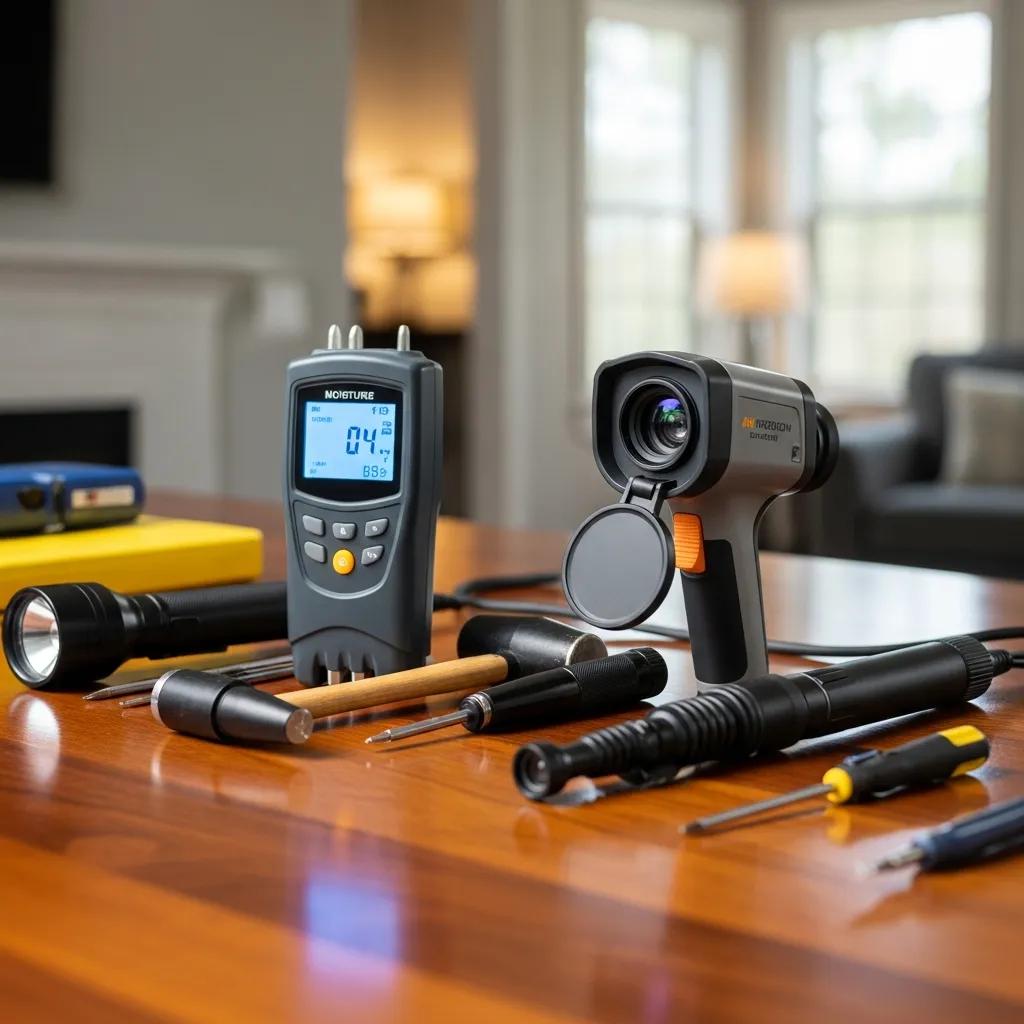
Inspectors utilize various advanced tools to detect hidden termite damage. Common tools include moisture meters, which measure wood moisture content, and thermal imaging cameras, which can identify temperature differences indicating termite activity. Borescopes are also used to inspect hard-to-reach areas, allowing inspectors to see inside walls and other structures without causing damage. These tools enhance the accuracy of inspections and help ensure that no signs of infestation are overlooked.
These modern technologies significantly enhance the ability of professionals to locate termites without causing further damage to the property.
Advanced Termite Detection: Thermal Imaging & Moisture Meters
There are some new technologies that aid termite detection, using moisture meters, sound detection, and thermal imaging. Thermal imaging offers a new, high technology detection system that is non-destructive and can be used to find termites in walls, floors, and ceilings without damaging the structure.
Finding termites with thermal imaging, 2002
The cost of a termite inspection can vary based on several factors, including the size of the property and the extent of the inspection required. Understanding these costs can help homeowners budget for necessary inspections.
In the New York metropolitan area, some pest control companies offer free termite inspections as part of their services. These inspections can provide homeowners with valuable information about the condition of their property without any upfront costs. However, it is essential to ensure that the company conducting the inspection is reputable and experienced in termite detection.
Several factors influence the cost of a professional termite inspection. The size of the property is a significant determinant, as larger homes require more time and resources to inspect thoroughly. Additionally, the complexity of the inspection, such as the need for advanced tools or access to difficult areas, can also affect pricing. Homeowners should consider these factors when seeking inspection services.
Regular professional termite inspections offer numerous benefits that can save homeowners money and protect their properties. Understanding these advantages can encourage homeowners to prioritize inspections.
Early detection of termite infestations can prevent extensive structural damage, which can be costly to repair. By identifying and addressing termite problems promptly, homeowners can save thousands of dollars in potential repair costs. Regular inspections help ensure that any signs of infestation are caught early, allowing for timely intervention.
Regular termite inspections not only protect the structural integrity of a home but also help maintain its market value. Properties with a history of termite issues may face decreased value, making it essential to demonstrate proactive pest management. Additionally, knowing that a home is free from termites provides peace of mind for homeowners, allowing them to enjoy their property without worry.
Understanding the findings of a termite inspection report is crucial for homeowners. This knowledge enables them to take appropriate action based on the inspection results.
A termite inspection report typically includes a summary of findings, recommendations for treatment, and any areas of concern identified during the inspection. Homeowners should pay close attention to the details provided, as this information will guide their next steps in addressing any issues.
After identifying hidden damage, several treatment options may be recommended. Common treatments include chemical applications, bait systems, and physical barriers to prevent future infestations. Homeowners should discuss these options with their pest control professional to determine the best course of action based on the severity of the infestation and the specific conditions of their property.
While some homeowners may consider DIY methods for termite inspection, professional inspections offer distinct advantages that ensure thoroughness and accuracy.
Professional inspectors possess specialized training and experience in identifying signs of termite activity. They are equipped with advanced tools that enhance their ability to detect hidden infestations, ensuring a comprehensive assessment of the property. This expertise is invaluable in preventing costly mistakes that can arise from DIY inspections.
A professional termite inspection provides a thorough evaluation of the property, including areas that may be difficult for homeowners to access. Inspectors can identify hidden damage and potential entry points that may go unnoticed in a DIY inspection. This comprehensive approach ensures that homeowners receive an accurate assessment of their property’s condition, allowing for effective pest management strategies.
| Inspection Tool | Purpose | Effectiveness |
|---|---|---|
| Moisture Meter | Measures wood moisture content | High |
| Thermal Imaging Camera | Detects temperature differences indicating termite activity | Medium to High |
| Borescope | Inspects hard-to-reach areas | Medium |
Regular termite inspections are essential for protecting your property from hidden damage. By understanding the signs of termite activity, the inspection process, and the benefits of professional services, homeowners can take proactive steps to safeguard their investments. Investing in regular inspections not only prevents costly repairs but also provides peace of mind, knowing that your home is protected from these destructive pests.